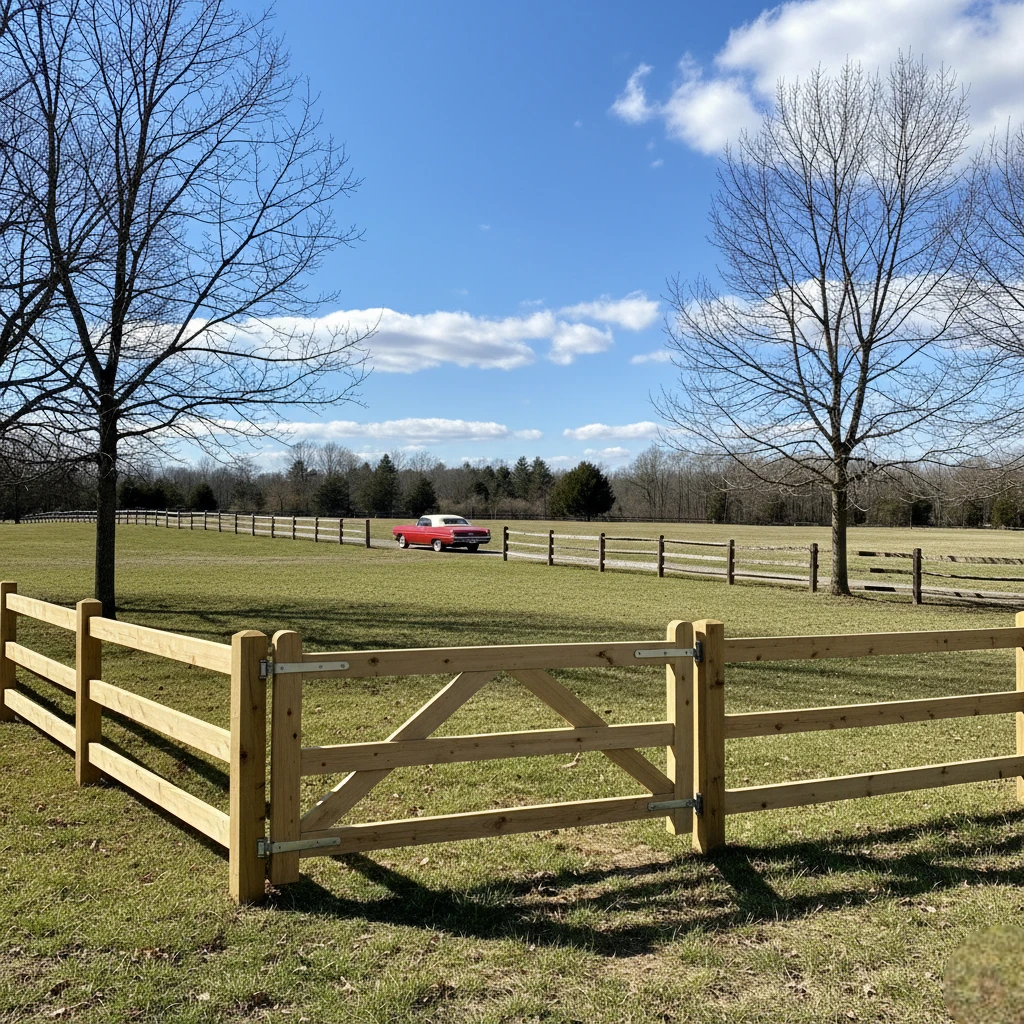
Field Fence
If you've got timber and pasture tracts near WMA country, field fence is the affordable way to run a long line where your main goals are defining property boundaries and managing deer pressure.
Fence company in Nanih Waiya, Winston County MS. Loamy hill terrain near Nanih Waiya WMA and mound site. Field, livestock, pasture, and gate work. Free quotes.
If you're around Nanih Waiya and you need a fence built or repaired, we can be there. Fortenberry Project Solutions runs out of Starkville and covers the Nanih Waiya community in southern Winston County - out around the Nanih Waiya Attendance Center, along MS Highway 393, and up toward the Nanih Waiya Mound site northeast of Philadelphia. Whether you're fencing timber and pasture, containing livestock, or setting a wide gate for equipment, we'll walk your land, talk through what fits, and give you a straight estimate.
Here's what matters most about the ground out here: it's rolling North Central Hills with loamy, strongly acidic soils - Winston County's average pH runs around 4.9 - and while that drains reasonably well, it doesn't grip a post the way heavy Black Belt clay does. So on your long runs, corner bracing and gate-post depth are what keep the line tight (more on that below). A couple of practical notes: Nanih Waiya is an unincorporated community with no municipal building department, so your fence really comes down to property lines, road right-of-way, and any recorded covenants - and for deed or plat questions, the Winston County Chancery Clerk is the place to start. If you're near the Nanih Waiya Wildlife Management Area (managed by MDWFP, reachable at (662) 724-2770), careful boundary marking and properly sized gates for hunting-season and equipment traffic pay off, and we'll handle that with you.
If you've got timber and pasture tracts near WMA country, field fence is the affordable way to run a long line where your main goals are defining property boundaries and managing deer pressure.
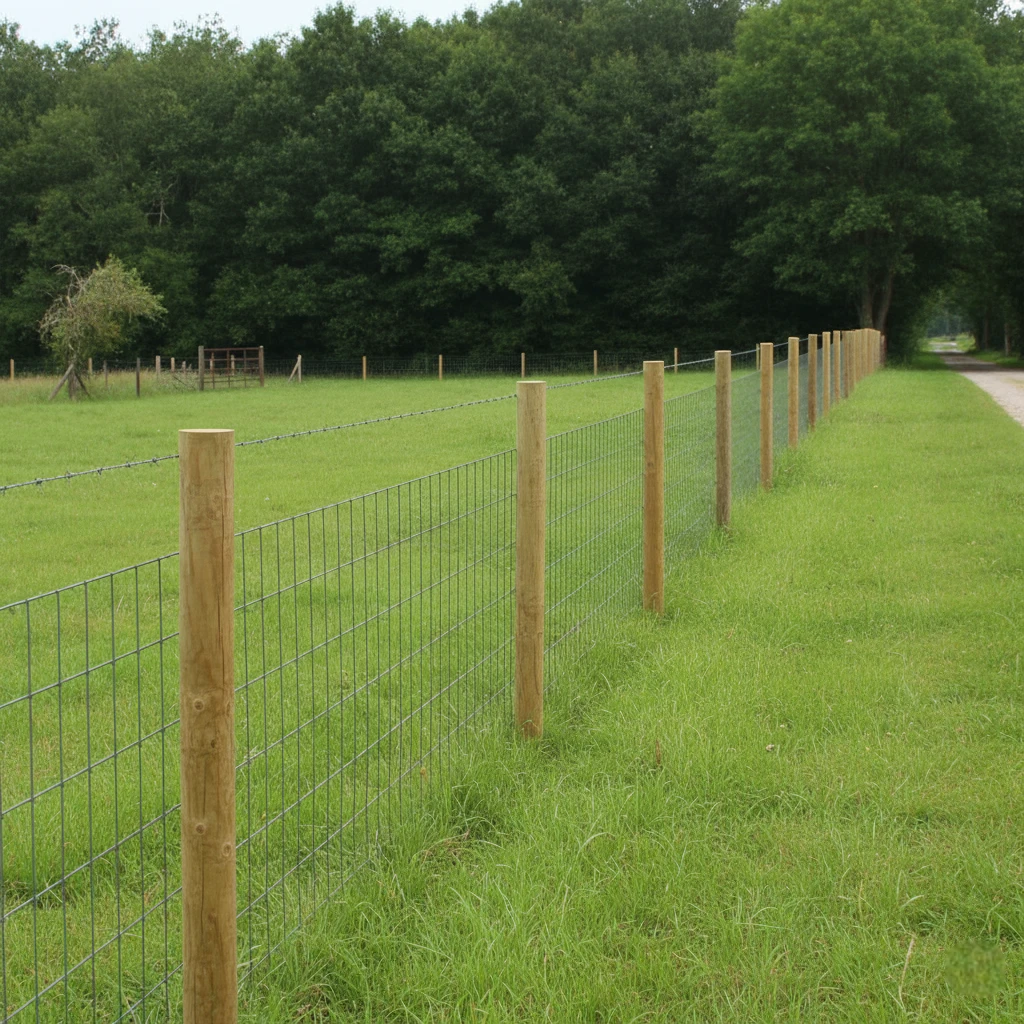
If you run small cattle or mixed-use acreage off MS 393 or the farm roads near Highway 490, pasture fence keeps your livestock contained on rolling loamy ground without the cost of full privacy construction.
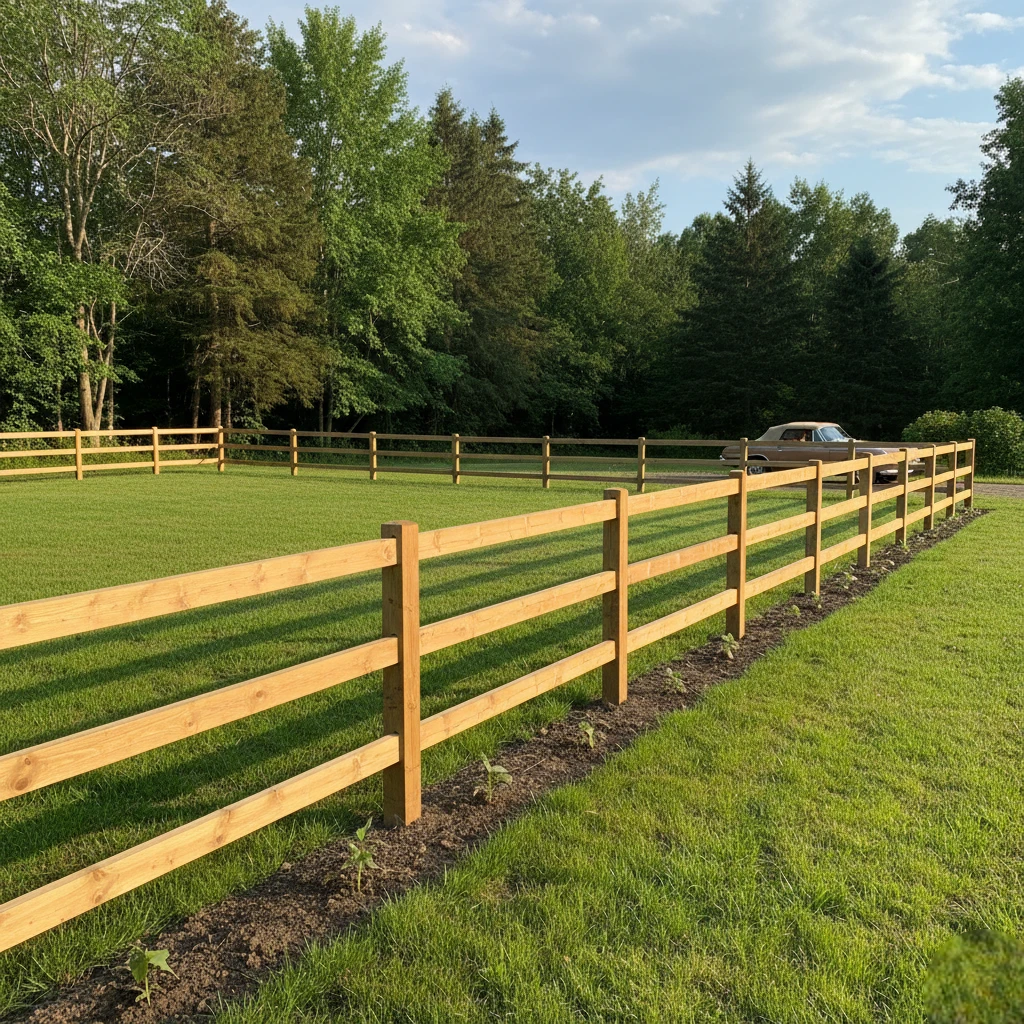
If you're running heavier animals or need a working gate opening for trailers and tractors, a livestock-grade layout with braced corners holds up on rolling loamy soil far better than lighter wire options.
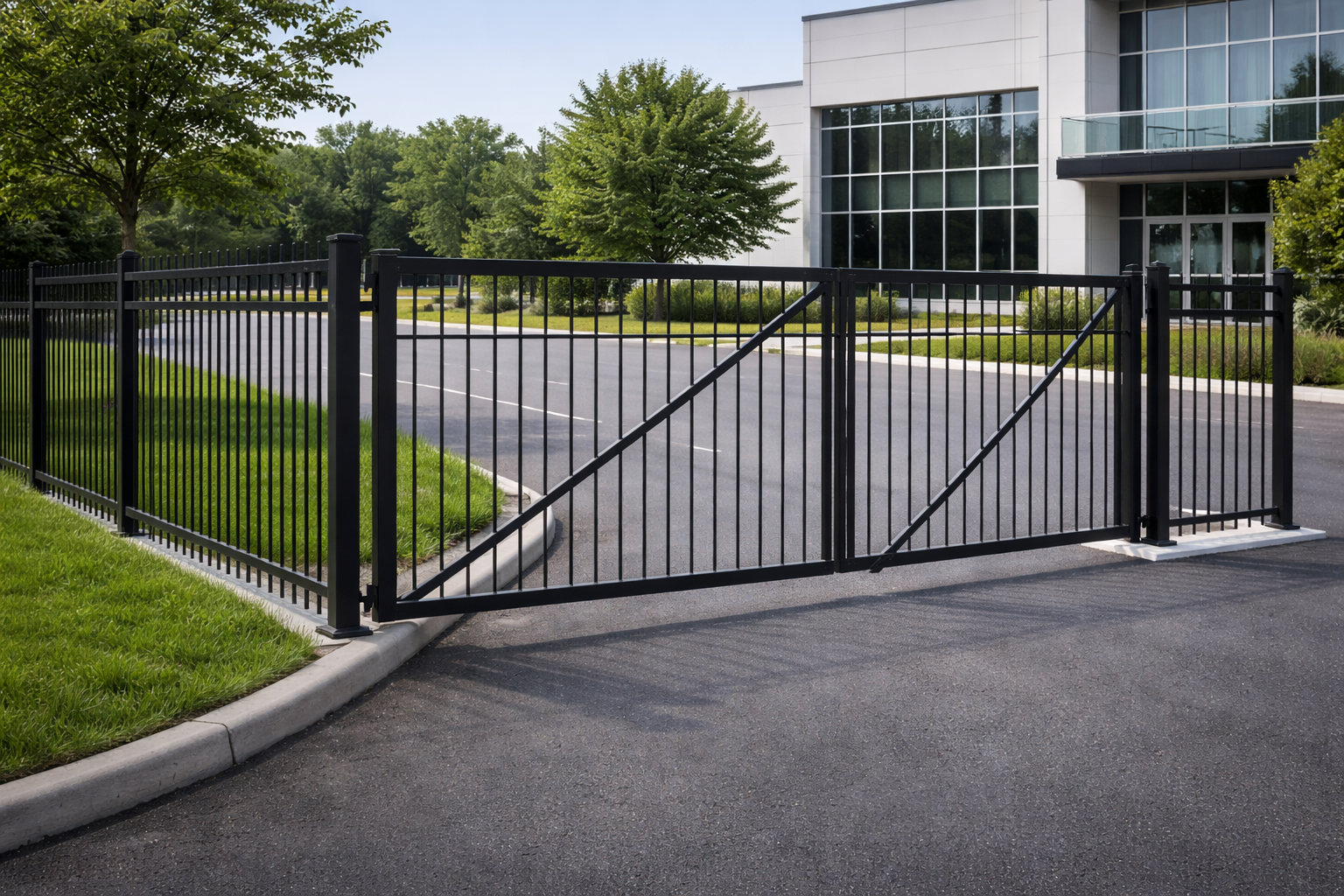
If you need wide access for equipment, hay delivery, or hunting season, a swing gate with reinforced hinge posts is the way to go - a sagging gate on loamy soil is the single most common failure we see on these rural tracts, and stout hinge posts prevent it.
Around Nanih Waiya the ground is loamy and strongly acidic - Winston County's average pH runs about 4.9 - and here's what that means for your fence: it drains well on most sites, but it gives a post less lateral grip than tight prairie clay does. That's why we treat your gate and end posts as structural members, augering deeper on those positions, belling the hole where the soil calls for it, and running concrete on every hinge and corner post while we keep your line posts consistent and plumb across the rolling grade. And when your fence runs near MS 393 by the Nanih Waiya Mound area, we hold clean offsets from the road right-of-way and plan for drainage swales so your maintenance access and sight lines stay clear. You won't see any of this once it's done, but it's the difference between a fence that stays tight and a gate that starts to sag.
Nanih Waiya is unincorporated, so there's no city permit office - what matters is your deeds, plats, and easements. You don't have to figure that out on your own. The Winston County Chancery Clerk keeps the county's public land records, and we'll help you verify your boundaries and any recorded restrictions before we set a fence line - https://www.winstoncountyms.org/chancery-clerk.html.
Good news: since Nanih Waiya is an unincorporated Winston County community, there's no city-style fence permit process. What matters for you is your property boundaries, any recorded covenants, and keeping the fence out of the road right-of-way. To be sure of what applies to your parcel, we check with the Winston County Chancery Clerk's office - the county's keeper of deeds and plats - before we set posts, especially if your fence runs near an easement or a surveyed line. We'll help you gather the right site information before we ever schedule the install.
Around Nanih Waiya, HOAs are uncommon - most of our work here is on acreage and farms with no architectural review board. If your deed does carry restrictive covenants on gate style, setback, or materials, just send us the recorded restrictions before we order material and we'll build to those specs. If you're not sure whether anything applies, we'll confirm it through the Winston County Chancery Clerk's land records before we start design work, so there are no surprises.
Near the Nanih Waiya Wildlife Management Area, you're dealing with both deer pressure and seasonal equipment traffic, so we'll usually put you on field fence with properly braced corners plus a wide swing gate sized for ATVs, UTVs, or a truck-and-trailer combination. The detail that makes or breaks it is stout hinge and corner posts, set deep with concrete, so your gate doesn't start sagging after repeated openings through the wet-weather cycles on loamy Winston County soil. We'll also talk through gate width and latch hardware with you so your access point works cleanly for everything you're moving.
Carefully - the National Park Service notes the Nanih Waiya mound and cave are no longer open to the public, so boundaries in that corridor need a careful hand. We'll confirm your surveyed corners first, then place your fencing and gates to hold a clear offset from any adjacent managed land or road right-of-way before a single post goes in. If there's any question about where your line falls near publicly managed property, a current boundary survey is money well spent before we start, and we'll tell you straight if we think you need one.
On Winston County's loamy soil, gate posts lean over time when they aren't treated as structural posts - not deep enough, no concrete, no lateral bracing - and the first thing you notice is a gate that drags and won't latch clean. We head that off by setting your hinge and latch posts deeper than the line posts, using concrete on every corner and gate position, and sizing the opening wide enough for your largest piece of equipment so you're not forcing the gate past its travel every time. We'll also use adjustable hinge hardware so if it does shift a little, we can correct it without rebuilding the whole opening.
Call 601-562-2540 or send the project details and FPS will follow up.