Need a Fence Anywhere in Noxubee County? We've Got You Covered
Wherever you are in Noxubee County, if you need a fence built or repaired, we can be there - Fortenberry Project Solutions runs out of Starkville and covers the whole county. We work from the courthouse square in Macon out to properties near the Sam D. Hamilton Noxubee National Wildlife Refuge - including Bluff Lake and Loakfoma Lake - and along the MS-14 and US-45 corridors. Whether you need a boundary line across working acreage, a secure pen for livestock, a repair on an in-town lot, or a solid gate you can count on, we'll come walk the property, talk through your options, and give you a straight estimate. We're used to the refuge-side wildlife pressure from deer and hogs, and to the bigger rural tracts where long runs and heavy gates are the whole job.
Here's what matters about the ground out here: Noxubee County sits on the edge of Mississippi's Black Belt Prairie, and that heavy prairie clay - plus the wetter creek bottoms along the Noxubee River and Shuqualak Creek - can shift and hold water in a way that cracks a shallow-set post (more on how we handle that below). The other thing we take off your plate is the permit question, because the rules split depending on where you are. If you're inside Macon, Brooksville, or Shuqualak city limits, permit and setback decisions run through that town's office, and they can differ from one town to the next. Macon covers in-town lots and small commercial sites near US-45; Brooksville leans toward acreage and farm fencing along rural roads like Buggs Ferry Road; Shuqualak is timber country with long runs near the Kemper County line. If you're on an unincorporated parcel outside any town limits, we verify through the Noxubee County offices in Macon - and when the rules aren't posted online, we'll confirm setbacks, right-of-way, and any structure requirements with the Noxubee County Chancery Clerk or county administration before we set a single corner post.
Popular Fence Styles in Noxubee County
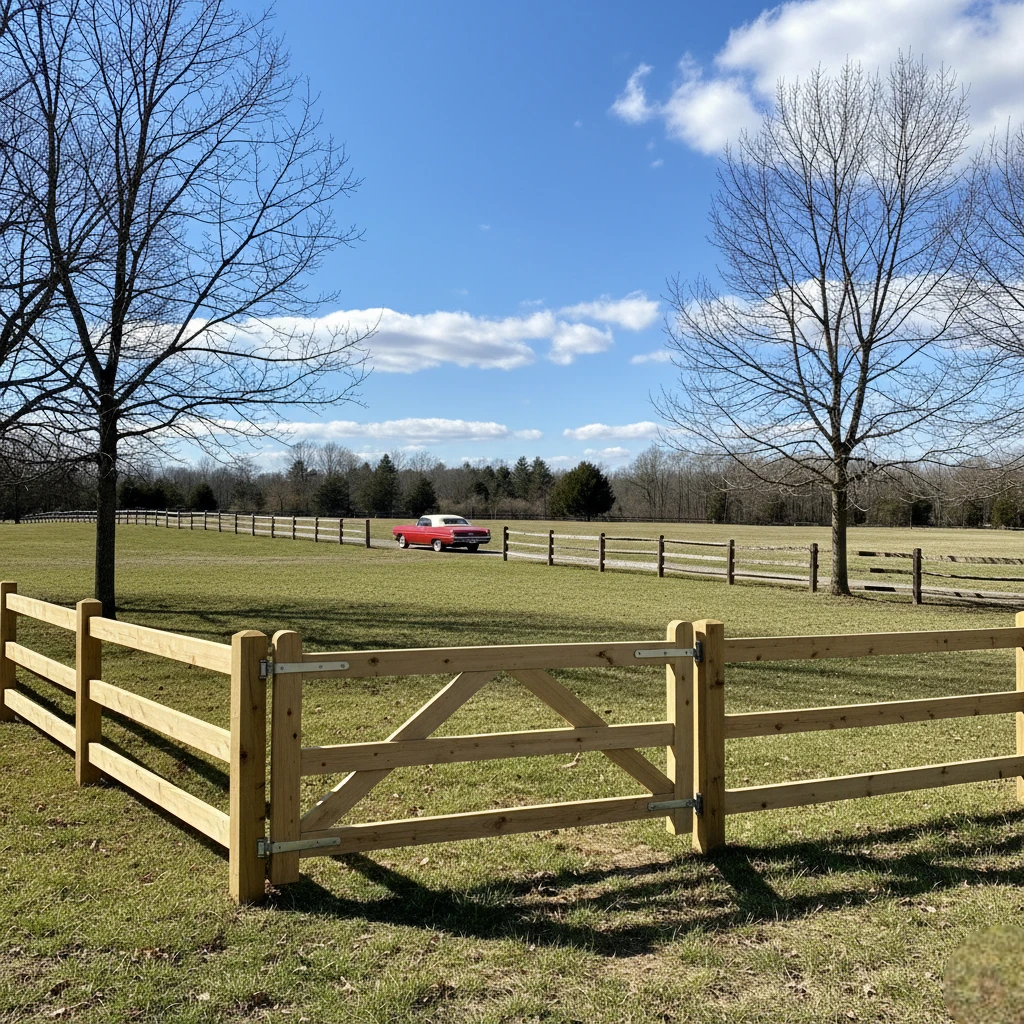
Field Fence
If you've got long boundary runs on rolling ground, this is the practical call. Field fence follows uneven terrain without the cost or the wind-load risk of solid privacy fencing across working acreage - so you get a secure line without paying for what you don't need.
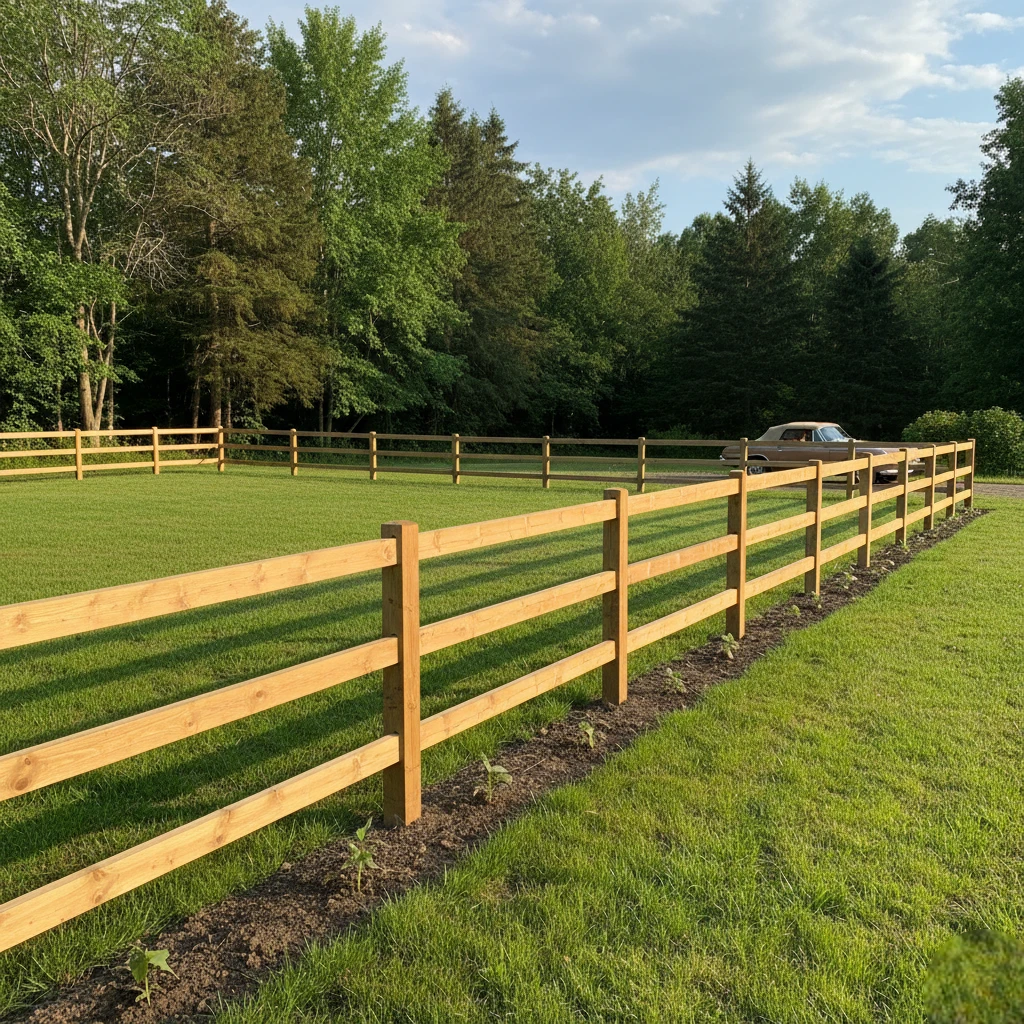
Livestock Fence
If you run cattle or a mixed-use rural property, this one keeps your stock where you want it - perimeter lines and interior cross-fencing both. It's built around strong corner assemblies and heavy-duty gates, which is exactly what the longer spans out here need to hold up.
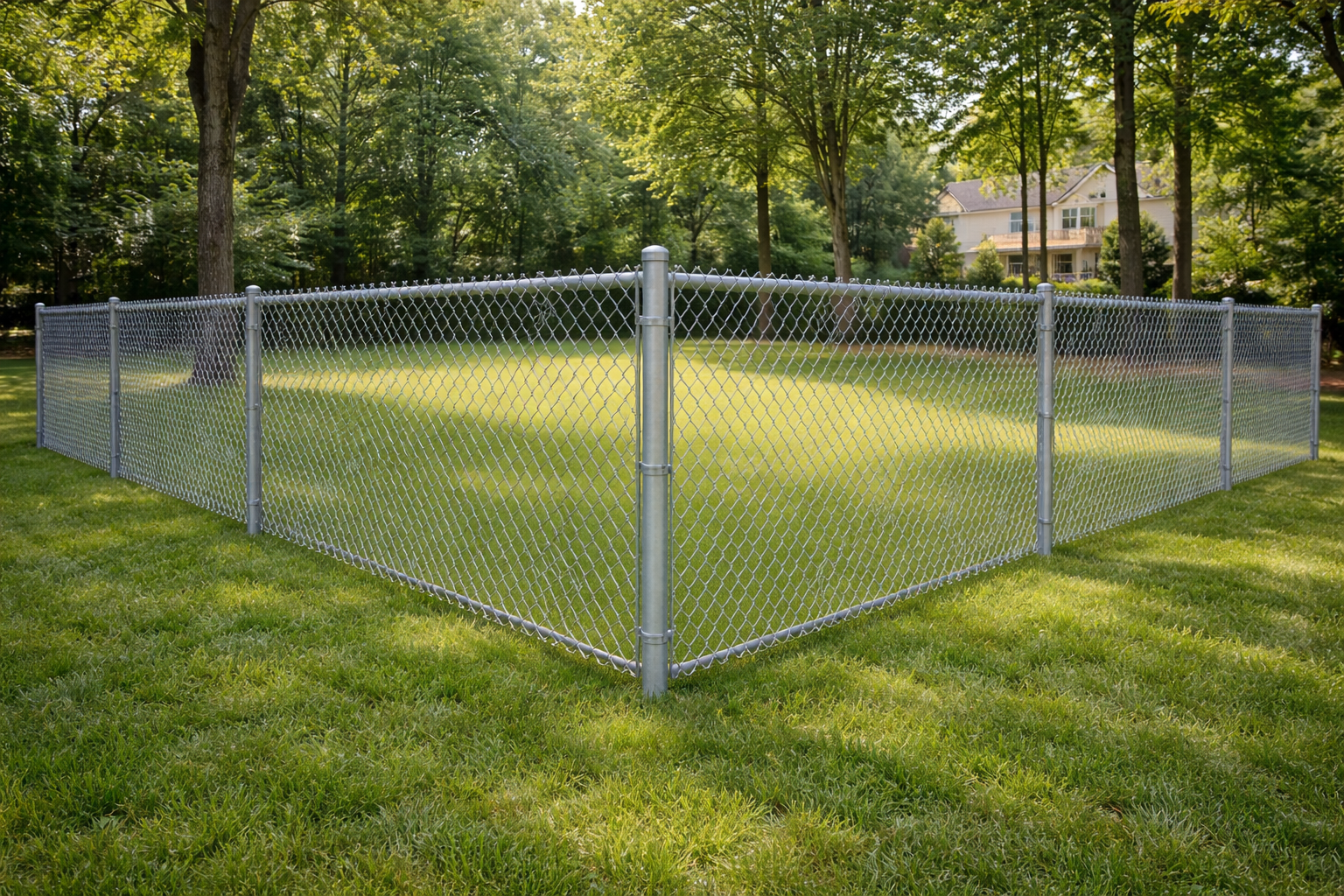
Galvanized Chain Link
If you're on a smaller in-town lot in Macon, Brooksville, or Shuqualak, galvanized chain link is the straightforward answer for a yard boundary, keeping pets in, or fixing storm damage - all without blocking your sight lines the way a solid fence would.
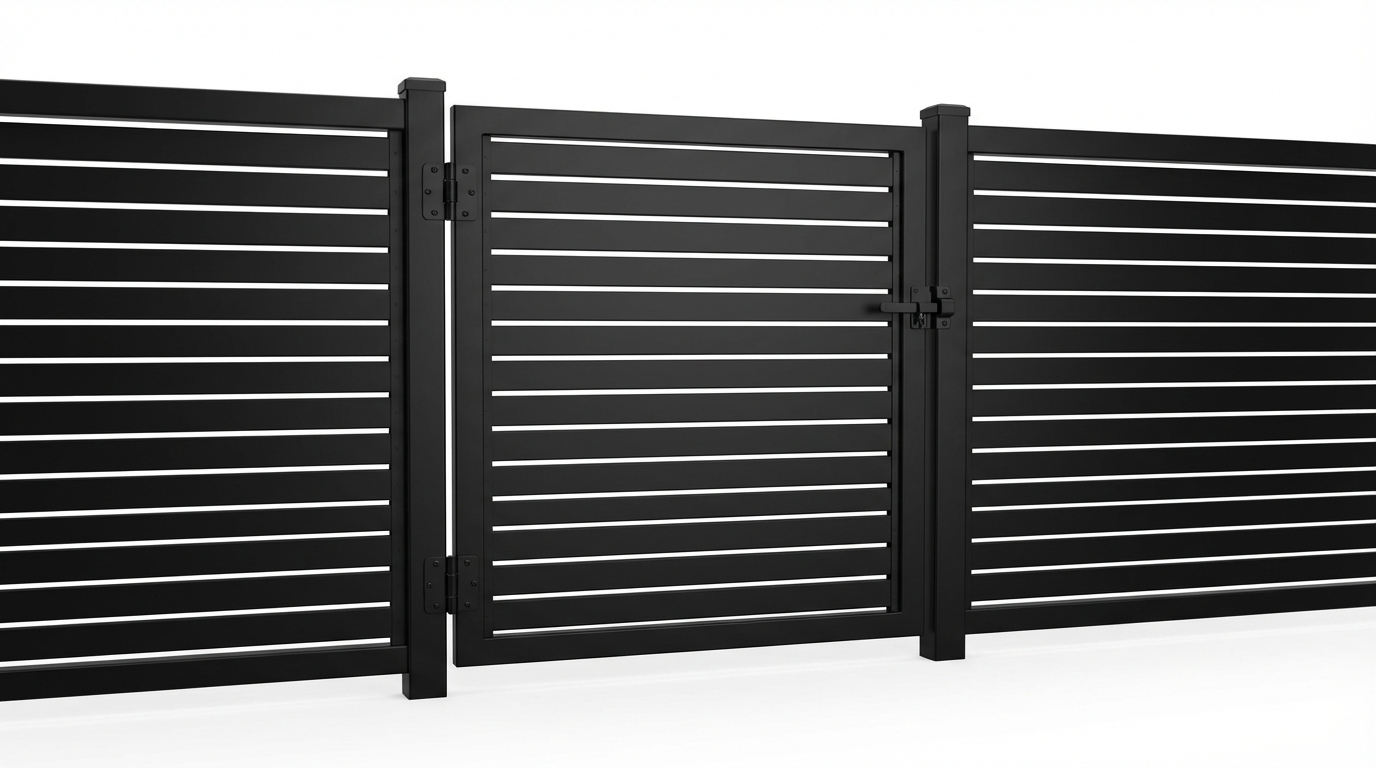
Privacy Gate
If you're putting up wood privacy or just need a secure way into the backyard, the gate is where it lives or dies out here. In Black Belt conditions, we frame the hardware and brace it solid so your gate keeps swinging true through the seasonal wet-dry clay cycles instead of sagging on you.
Why the Ground Under Your Fence Matters
Here's what you're building on: Noxubee County has a Black Prairie belt in the northeastern part of the county with Houston and Oktibbeha soils, plus broad stream-bottom areas that make up a real share of the ground out here. That means seasonal wet-dry movement and soft spots near the creek and river bottoms - so we plan post depth and bracing around the worst hole on your line, not the average one. Your gate and corner posts go deeper and heavier than the line posts, because that's where trouble starts, and in the poorly drained spots we set on a drainage-friendly base so water isn't trapped against a wood post before we finish the collar. If you're on a refuge-adjacent property near the lakes and low ground, we also plan for washout risk and keep the long runs rackable, so the fence follows your grade without forcing panels out of square. You won't see most of this once it's up, but it's what keeps the fence standing after a wet winter.
A Few Things We Watch For Around Noxubee County
- Building near the Sam D. Hamilton Noxubee National Wildlife Refuge, or on the low ground around Bluff Lake and Loakfoma Lake? That's where deer and hog pressure and standing water hit hardest - we'll plan the fence and gates around it so it holds.
- On a long rural line, we plan access off the county road network - the MDOT General Highway Map ties the spoke towns of Macon, Brooksville, and Shuqualak together with roads like Buggs Ferry Road and Brushfork Road, which we use to stage materials and reach your corners.
- Up in the northeastern Black Prairie belt, the Noxubee County Soil Survey shows Houston and Oktibbeha soils and broad stream bottoms - the exact conditions that decide how deep and how braced your posts need to be. We adjust to what's on your parcel.
- Fencing a commercial or work site near a big employer like Peco Foods in Brooksville, Shuqualak Lumber Company, or Superior Fish Products south of Macon on Highway 45? We handle those perimeters too. For county rules, the Tax Assessor/Collector office at 2832 Jefferson Street Suite-2, Macon, MS 39341 (662-726-4744) is a good starting point, and we'll point you the rest of the way. If you need the schools, the Noxubee County School District central office is in Macon on Gandy-Tindal Road (662-726-4527).
Who Handles the Permit?
Out here it usually starts with the Noxubee County offices - county administration in Macon, with the Tax Assessor/Collector at 2832 Jefferson Street Suite-2, Macon, MS 39341, (662) 726-4744 - https://www.noxubeecounty.org. If you're inside Macon, Brooksville, or Shuqualak, the town office comes into play too. You don't have to figure out which one you're under. Tell us where you are and we'll point you to exactly what's needed, or help you handle it.
Frequently Asked Questions About Fences in Noxubee County, MS
Do I need a permit to build a fence in Noxubee County?
Out in unincorporated Noxubee County, the fence rules aren't clearly posted online, so the safe move is to verify setbacks, right-of-way, and any building-permit triggers with the county offices in Macon before you build - and you don't have to make that call alone. We start with Noxubee County administration and get directed to the right contact for a residential accessory structure. If your address is inside Macon, Brooksville, or Shuqualak, we check with the town office too, since the incorporated rules can differ from the county's. Tell us where you are and we'll handle knowing which applies.
What if there are deed restrictions or covenants on my property?
Most of the county is rural or small-town lots where a formal HOA is uncommon, so the things that usually matter are your property lines, the road right-of-way, and whatever the town or county requires. But if a deed restriction or a small subdivision covenant does apply to you, we'll build right to it - height, picket style, gate placement - once you get us the written guidelines. For most projects out here, the real coordination is with your neighbors, the utility easements, and farm access, not an architectural review board, and we'll walk all of that with you.
I'm close to the wildlife refuge - what holds up best against deer and hog pressure?
Near the refuge, deer traffic and hog rooting can tear up a light-duty fence in a hurry, especially in the wet ground around Bluff Lake and Loakfoma Lake. For a perimeter or acreage boundary, we usually point you toward field fence or a heavier wire setup with solid H-braces at the corners and tensioning that won't sag after the first wet season. If it's a yard fence closer to the house, we'll talk about keeping the bottom tight to the grade and reinforcing the gate areas, since that's where animals tend to push through.
My lot is low and wet near the Noxubee River or Shuqualak Creek - can you still build there?
Yes, and drainage is the first thing we look at. In the bottoms and flat-woods ground, we walk it for persistent wet soil, seasonal flow paths, and where water will stand after a storm before we ever mark a post layout. In those sections we go deeper and brace harder, and we set on a base that lets water move instead of pooling against the post. If your fence has to cross a drainage swale, we adjust the design - racking it or using wire with ground clearance - so water and debris don't rip out panels during a high-water event.
My tract is way out on a county road - how do you handle a long rural fence line?
Most of the long-run work we quote is off the state and county roads that tie back to Macon and the US-45 corridor, where tracts can be wide and oddly shaped. We find your property by its access road - Buggs Ferry Road, Brushfork Road, and similar county routes - then walk the whole line to spot the corners, creek crossings, and easements before we price out gate and brace locations. Mapping your access points and any shared farm lanes up front is usually what keeps change orders from showing up later.