Need a Fence Anywhere in Newton County? We've Got You Covered
Wherever you are in Newton County, we can be there. Fortenberry Project Solutions runs out of Starkville, about 60 miles north up the US-45 and US-15 corridor, and we cover the whole county. This is classic fine sandy loam pine country in the North Central Hills, so whether you're fencing a yard in town, running cattle wire across pasture, or securing a lot along the interstate, we'll walk your property, talk through the options, and give you a straight estimate. Ruston and Ora series soils run the uplands here - well-drained sandy loam that digs easy but needs the right depth to stay solid, especially where the Ora fragipan sits at 18 to 24 inches (more on that below).
Newton County has a few different rulebooks depending on where you are, and we'll handle knowing which applies to you. I-20 runs through the north of the county at Newton (city), where the commercial corridor is - if you're inside those city limits, your permit goes through the City of Newton Building and Permits Department at 203 E. Church St., 601-683-6181. Decatur, the county seat about 10 miles north of I-20 on MS-15, is a small rural town with no HOA communities and strong agricultural character; if you're inside Decatur, we route through the Town of Decatur offices. And if you're out in the unincorporated county, it's minimal-regulation territory - a standard residential fence usually doesn't need a permit at all. The Chunky River runs east-west through the county and creates floodplain conditions in the bottomlands, which we'll flag for you if your property is affected.
Popular Fence Styles in Newton County
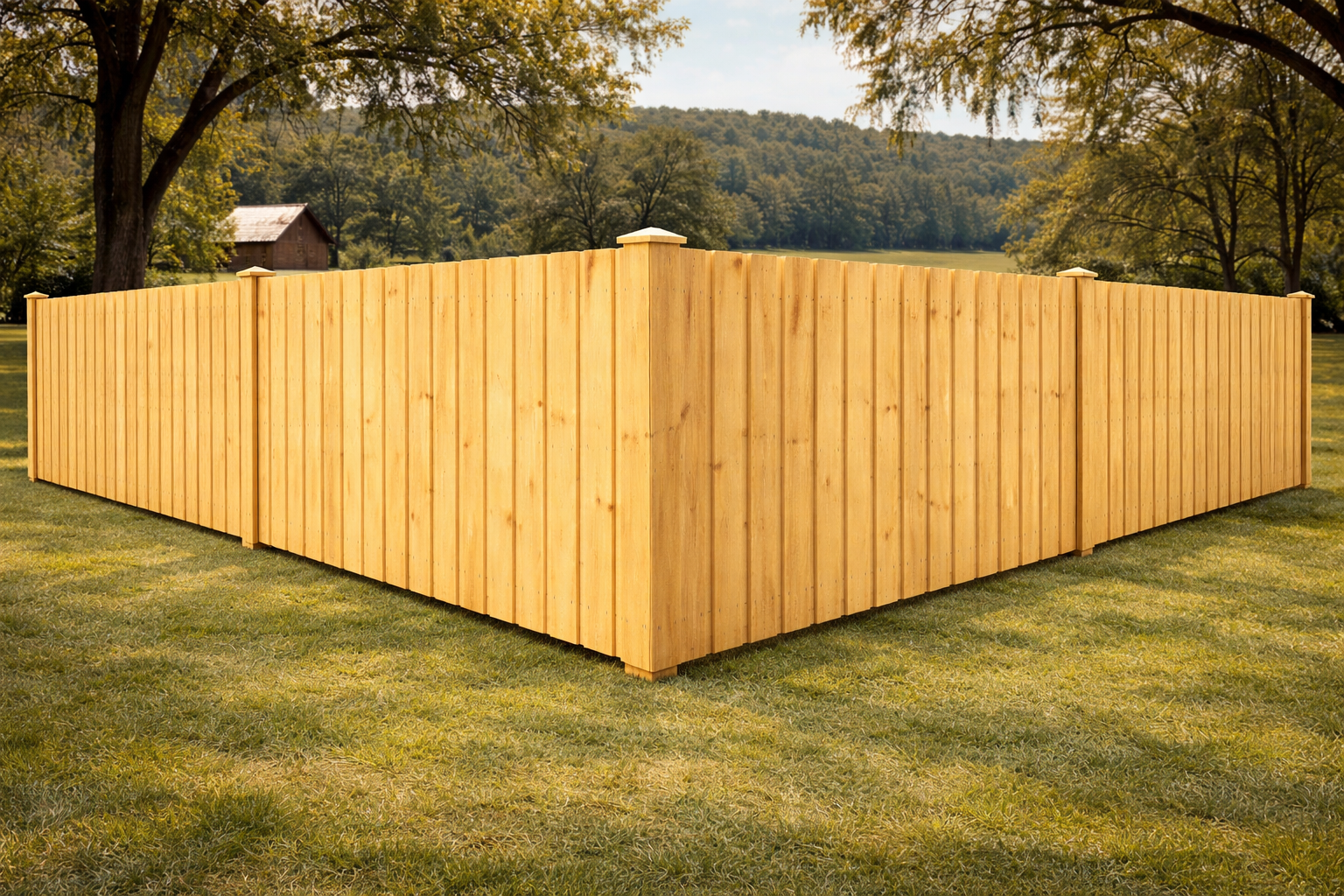
Board On Board
If you're on an established lot along Newton's residential streets near downtown or the I-20 corridor where you share property lines with the neighbors, this is the one that gives you true backyard privacy - the boards overlap so there are no gaps to see through.
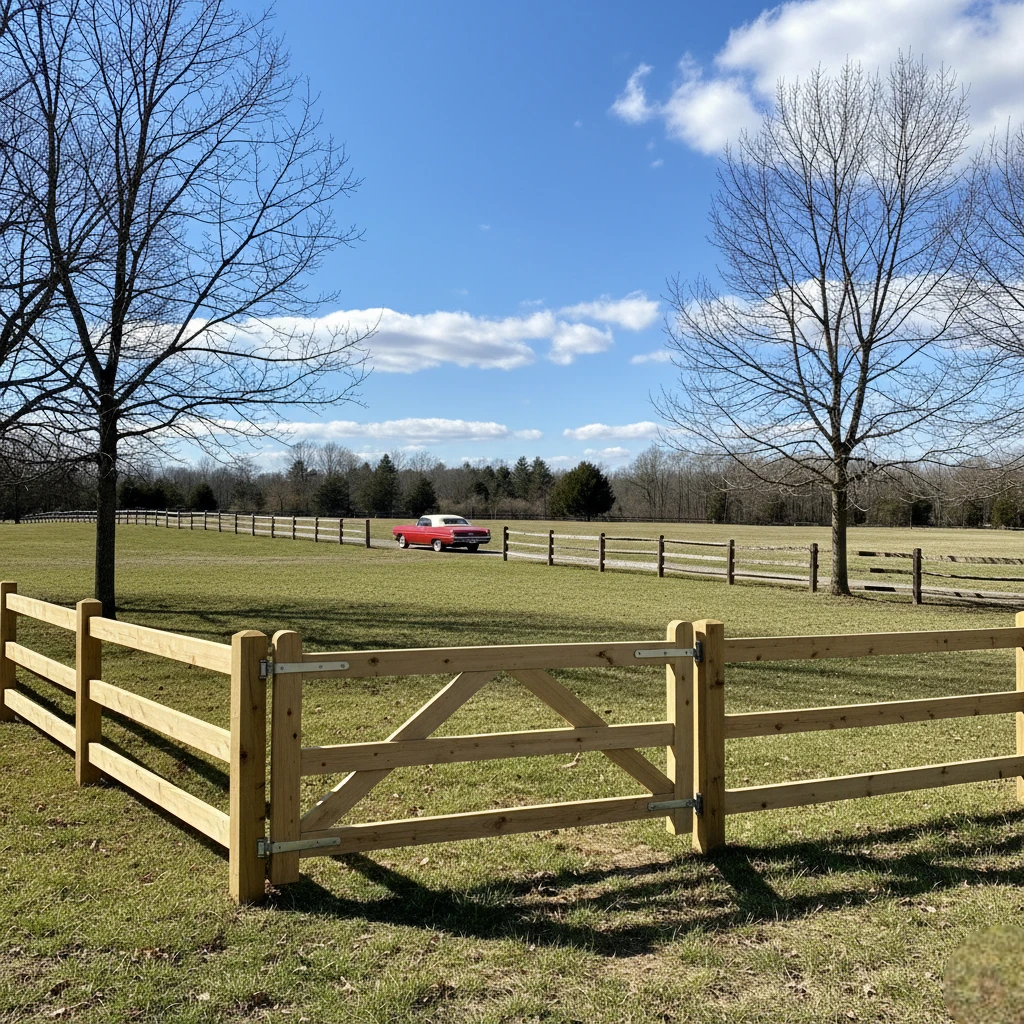
Farm and Field Fence
If you're one of the landowners running cattle out here - and there are a lot of you, with 17,823 cattle and over 60,000 acres of pasture across the county - woven wire and barbed wire with treated posts is what keeps them in, built to hold along property lines and county roads on these rolling pine hills.
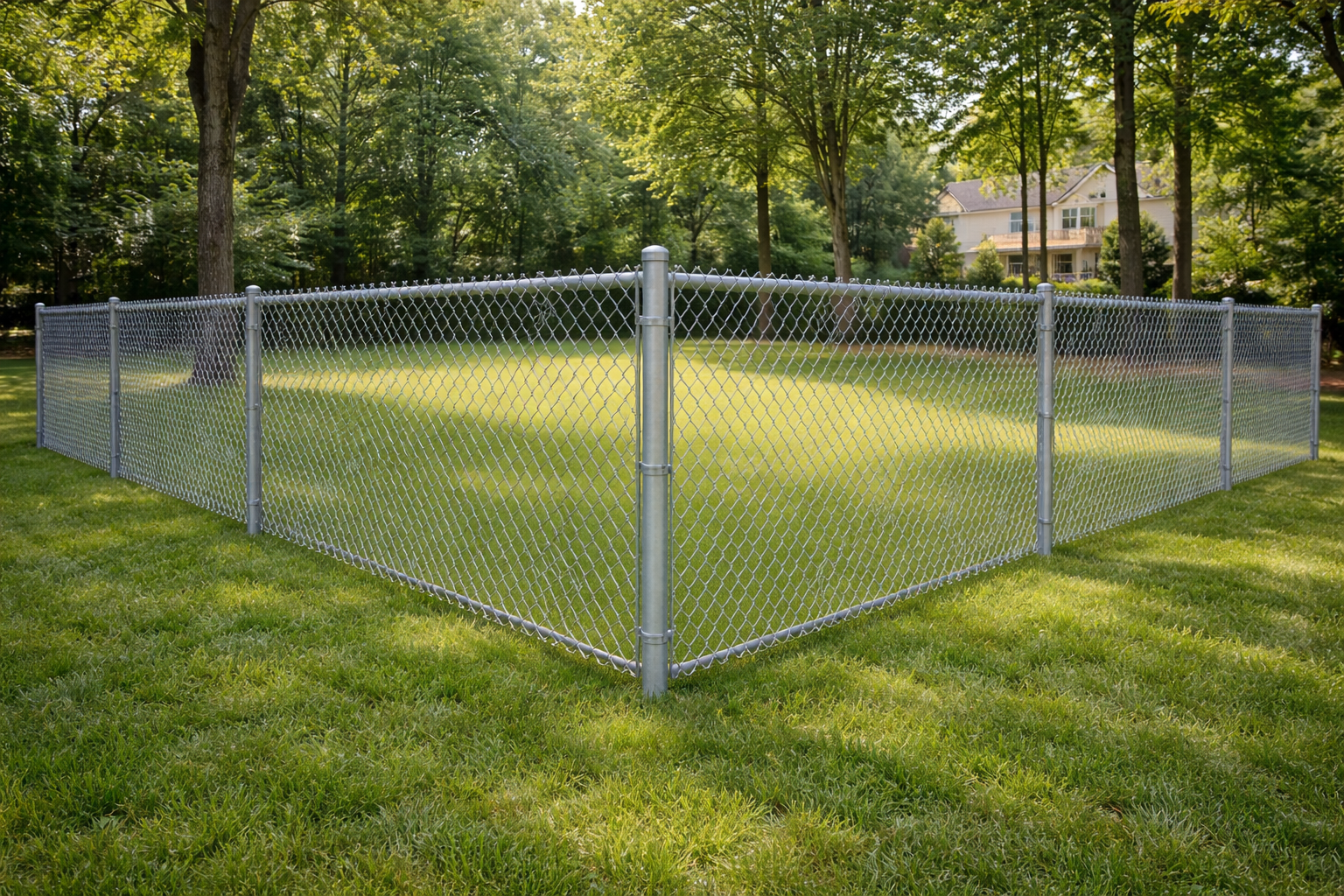
Galvanized Chain Link
If you've got a commercial or light-industrial lot along I-20 near Forest and Newton, galvanized chain link gives you a tough perimeter for yard, equipment storage, and access control - the practical pick when durability matters more than privacy.
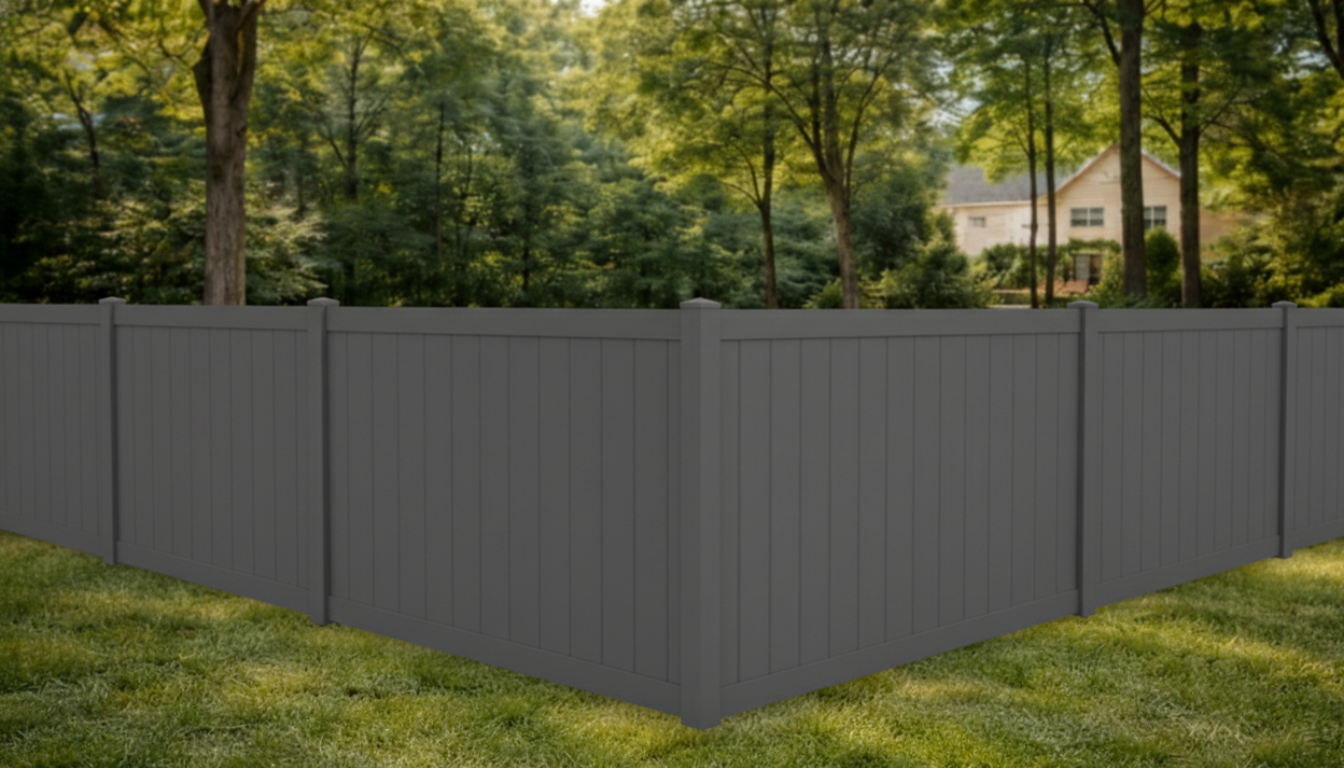
Full Privacy Vinyl
If you'd rather skip the upkeep, vinyl is worth a look - popular in Newton's newer neighborhoods and along the US-80 corridor because it holds up through east Mississippi's 53-inch annual rainfall and stays clean for years without refinishing.
Why Your Posts Matter More Than You'd Think
Your ground here depends on where your property sits, and it changes how we set your posts. Up on the upland ridges you've got Ruston fine sandy loam - well-drained, acidic (pH around 5.2), and workable to build on, though corners and gates still need concrete anchoring to stay solid. On the gently sloping terrain you can hit Ora series soil, which has a hard fragipan layer at 18 to 24 inches; rather than stop short, we punch through it so your posts reach full depth. Down in the Chunky River bottomlands the soil is Mantachie series, which drains poorly, so wood posts there need a gravel backfill or they'll rot early. With about 53 inches of rain a year and acidic ground countywide, we use pressure-treated posts throughout, set your standard residential posts 24 to 30 inches deep, and take gates and corners to 36 inches. You won't see any of this, but it's the difference between a fence that stays straight and one that doesn't.
Local Knowledge
- Your ground is mostly Ruston fine sandy loam on the uplands - well-drained, loamy, with a yellowish-red clay subsoil below 12 inches - while the widely distributed Ora series carries a hard fragipan at 18 to 24 inches that we punch through so your posts reach full depth. In the northeast, the narrow Union-to-Chunky corridor has Nacogdoches soil, the county's best upland ground: deep, red, well-drained, with moderate-to-high fertility.
- If you're inside Newton city limits, your fence permit goes through the City of Newton Building and Permits Department at 203 E. Church St., 601-683-6181 - and we'll help you handle it.
- If your property is in the Chunky River bottomlands or along one of its tributaries, it falls in a FEMA flood zone that needs a floodplain development permit before we build - we'll check that for you so it doesn't stall your project.
- There are no confirmed HOA-governed subdivisions in Newton or Decatur, so you won't have covenant review to worry about - it's a market of owner-occupied rural and small-town homes.
- Agricultural fence is the biggest job in the county, with 17,823 cattle on record and more than 60,000 acres of pasture - so building livestock fence that holds is everyday work for us. East Central Community College (ECCC) in Decatur is one of the county's principal institutions.
Who Handles the Permit?
You don't have to figure this part out on your own - it just depends on where you are. Inside Newton city limits, your permit goes through the City of Newton Building and Permits Department at 203 E. Church St., 601-683-6181. Inside Decatur, it's the Town of Decatur offices. And out in the unincorporated county, a standard residential fence generally doesn't need a permit at all. Tell us where your property is and we'll point you to exactly what's needed, or help you handle it.
Frequently Asked Questions About Fences in Newton County, MS
Do I need a permit to build a fence in Newton or Decatur, MS?
It depends on where you are, and we'll handle knowing which applies to you. If you're inside Newton city limits, your permit goes through the City of Newton Building and Permits Department at 203 E. Church St., 601-683-6181. If you're inside Decatur, we contact the Town of Decatur offices directly to confirm what they require. If you're out in the unincorporated county, a standard residential fence generally doesn't need a permit at all - though we'll still confirm the setbacks and right-of-way clearances before we set posts near a road or property line, so nothing gets flagged.
What if my neighborhood has an HOA?
You're in luck - there are no confirmed HOA-governed subdivisions in Newton or Decatur. Newton County is a market of owner-occupied rural and small-town homes, so you won't be waiting on covenant review before you build. That leaves just your property lines, road rights-of-way, and any city zoning rules that apply to think about. We confirm the right permit authority for your property before we schedule anything, so you're never guessing.
Will my fence stay straight in Newton County's soil?
It will if the posts are set right, and that's on us. A lot of the county's gently sloping ground is Ora series soil, which has a hard fragipan layer at 18 to 24 inches. That compressed layer resists the auger and can stall the equipment before your posts reach full depth - so instead of stopping short, we punch through it, setting posts to at least 30 inches on residential jobs and 36 inches at corners and gates. Up on the ridges the Ruston sandy loam is more forgiving, but either way, setting the posts to full depth is what keeps your fence from leaning down the road.
What if my property is near the Chunky River?
Then there are a couple of extra things to check, and we'll handle knowing them. The Chunky River runs east-west through the county, and if your property is in the bottomlands along it or one of its tributaries, it falls in a FEMA flood zone - which means a floodplain development permit before we build. The bottomland soil down there is Mantachie series, which drains poorly, so a wood post without gravel backfill will rot out faster than one up on the Ruston ground. We check the flood zone status for your site before we finalize materials and post-setting methods, so nothing catches you off guard.
Do you build farm and cattle fence out here?
Yes - it's the biggest part of what we do in the county. With 17,823 cattle on record and more than 60,000 acres of pasture, agricultural fence is the largest demand here, and we build woven wire and barbed wire field fence with pressure-treated posts to hold cattle along your property lines and county roads. The well-drained Ruston sandy loam on the ridges and hillslopes is good ground to set posts in, and we size the corner bracing for the length of each run and the grade of your land, so it holds up the way it should.